Autistic Barbie: Challenging Stereotypes in the Toy Industry
Autistic Barbie: Challenging Stereotypes in the Toy Industry
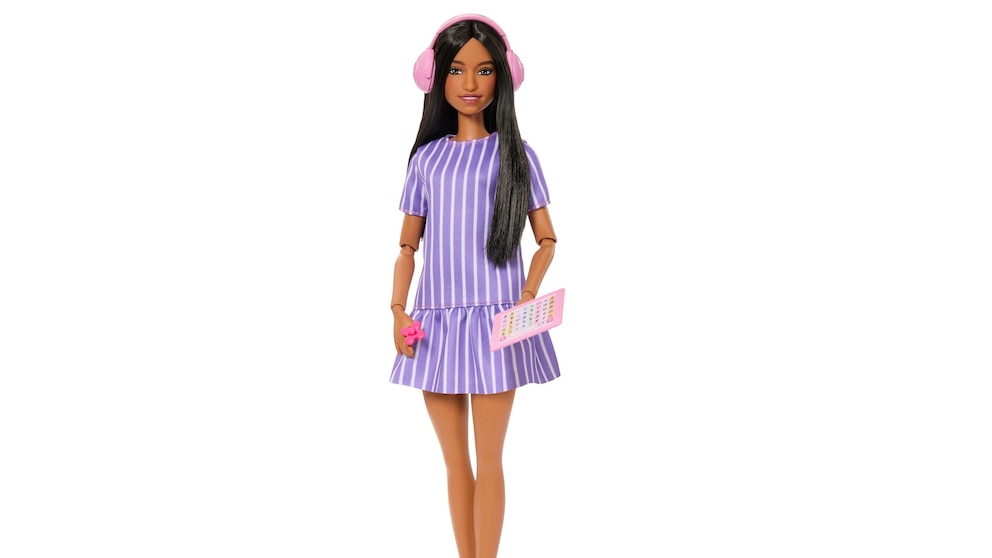
Discover how Autistic Barbie: Challenging Stereotypes in the Toy Industry is promoting inclusivity and changing perceptions in toys. The landscape of the toy aisle is changing. For decades, dolls were designed to represent a singular, narrow standard of beauty and lifestyle. However, in recent years, Mattel has made significant strides toward inclusivity, culminating in a historic moment for neurodivergent representation: the introduction of the first Barbie with autism.
This move is more than just a product launch; it is a cultural shift. By introducing an Autistic Barbie, the toy industry is finally acknowledging that play should reflect the lived experiences of all children.
Why Representation in Toys Matters
Toys are the tools children use to understand the world and their place within it. When a child sees a version of themselves reflected in their favorite toys, it fosters a sense of belonging and self-worth. For neurodivergent children, who often feel “othered” by societal norms, seeing an Autistic Barbie sends a powerful message: You are seen, you are valued, and your way of experiencing the world is valid.
Conversely, when representation is missing, it reinforces the idea that certain identities are invisible or “atypical.” By integrating autism into the Barbie line, Mattel is helping to de-stigmatize neurodiversity from an early age.
Breaking Down the Stereotypes
One of the greatest challenges facing the autistic community is the persistence of harmful stereotypes. Often, media portrayals of autism fall into two extremes: the “tortured genius” or the “helpless individual.”
The Autistic Barbie challenges these tropes by focusing on the nuance of the autistic experience. Mattel worked closely with the National Autistic Society to ensure the doll’s features and accessories were authentic. Key elements often include:
-
Sensory-Friendly Clothing: Many autistic individuals have sensory processing sensitivities. The doll’s outfits often feature soft textures and easy-to-fasten closures, reflecting real-world accommodations.
-
Communication Tools: Some versions include accessories like communication boards or calming sensory toys (fidgets), highlighting that communication looks different for everyone.
-
Thoughtful Packaging: Even the unboxing experience is often designed to be less overstimulating, showing a holistic approach to inclusive design.
The Impact on Peer Education and Empathy
While the doll is a vital mirror for autistic children, it serves as an equally important window for neurotypical children. Playing with an Autistic Barbie allows children to:
-
Normalize Differences: It removes the “mystery” around autism, making it a natural part of social play.
-
Develop Empathy: Through roleplay, children learn to navigate different social cues and sensory needs, building emotional intelligence.
-
Encourage Inclusion: When children see neurodiversity in their toy box, they are more likely to practice inclusion in the classroom and on the playground.
The Toy Industry’s Evolution Toward Universal Design
The introduction of Autistic Barbie is part of a broader movement toward Universal Design in the toy industry. This philosophy suggests that products should be accessible to the greatest number of people possible, regardless of ability.
We are seeing a ripple effect across the industry. From dolls with hearing aids and wheelchairs to figures with Down syndrome, the “standard” toy is becoming a thing of the past. The success of these lines proves that inclusivity is not just a moral imperative—it is what consumers are actively seeking. Parents today want toys that teach their children about the beautiful complexity of the human race.
Moving Beyond the Toy Box
While Autistic Barbie is a monumental step, representation shouldn’t end at the checkout counter. For the toy industry to truly challenge stereotypes, it must continue to:
-
Consult with Experts: Always involve neurodivergent individuals in the design process to avoid “tokenism.”
-
Provide Context: Use marketing and educational materials to explain why these features exist, helping parents facilitate conversations about neurodiversity.
-
Expand the Range: Autism is a spectrum. One doll cannot represent every experience, so continued diversity in traits and personalities is essential.
Conclusion
Autistic Barbie is more than a plastic doll; she is a symbol of progress. By challenging long-standing stereotypes, Mattel is helping to build a future where every child—regardless of how their brain is wired—can see themselves as the hero of their own story. As we continue to advocate for a more inclusive world, these milestones in the toy industry remind us that change often begins with how we play.